
Theory 1: Elain will make a definitive choice about the mating bond — and it won’t resolve cleanly
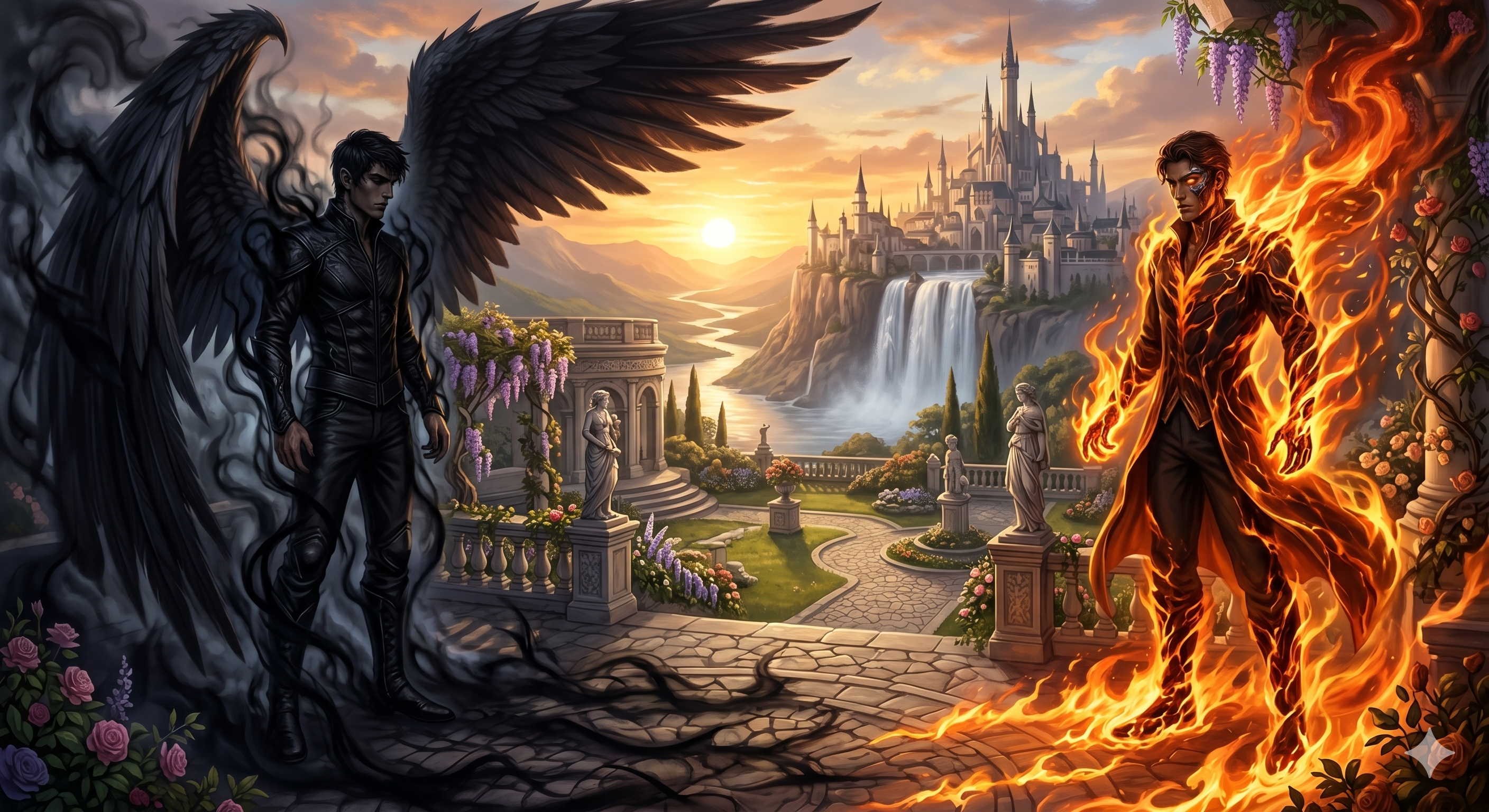
Elain Archeron’s character arc relies heavily on her reclamation of agency, making her impending choice regarding the mating bond a narrative powder keg. Plunged into the Cauldron against her will, she was forcibly Made into a High Fae and instantly assigned Lucien Vanserra as a mate. Maas has consistently laid the groundwork for Elain to reject this Cauldron-ordained destiny, treating the bond as another violation of her bodily autonomy rather than a romantic blessing. Her quiet but firm avoidance of Lucien juxtaposes sharply with her charged, intimate moments with the Night Court’s spymaster, Azriel. Elain’s ultimate choice will not merely be a romantic preference; it will serve as her declarative rejection of the Cauldron’s absolute authority. Rejecting a mating bond is exceedingly rare and fraught with primal, violent consequences in Prythian lore. Lucien is fiercely loyal, but the feral instincts of a spurned mate cannot be entirely suppressed. This love triangle will violently destabilize the Night Court’s inner circle, pitting indispensable allies against one another in a conflict that diplomacy cannot easily resolve.
In A Court of Wings and Ruin, Elain shrinks from Lucien’s presence and actively refuses his attempts at connection, stating “He doesn’t know me.” Conversely, she shares charged moments with Azriel, who entrusts her with his legendary blade, Truth-Teller, before battle. The existence and content of an Azriel/Elain bonus chapter heavily influencing this dynamic remains unconfirmed in the primary text.
Theory 2: Feyre’s full power as a Made High Lady has not yet been used at its ceiling
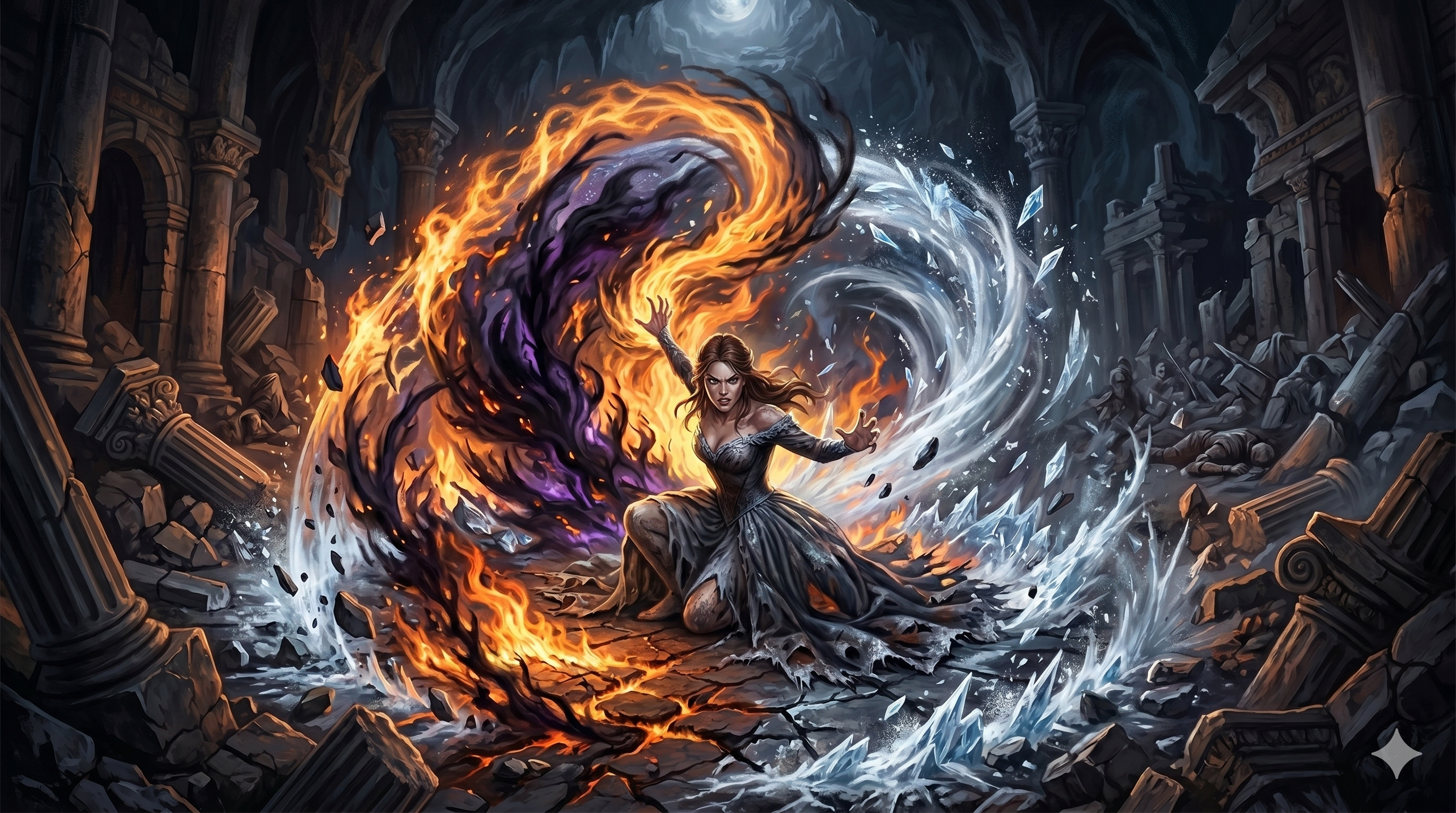
Feyre’s narrative role seemingly shifted in A Court of Silver Flames to accommodate her perilous pregnancy, leading to a dangerous underestimation of her sheer destructive capacity. As the first High Lady in Prythian history, she possesses a kernel of magic from every High Lord—an unprecedented, volatile concentration of elemental power that has only been deployed in brief, reactive bursts. Maas is clearly holding Feyre’s ultimate magical ceiling in reserve for a cataclysmic conflict. When the looming threat of the death-lord Koschei and the traitorous mortal queens inevitably reaches Velaris, Feyre will be forced to unleash the unmitigated, lethal force of all seven courts simultaneously. This display will permanently alter the political landscape of the world, cementing her authority not just as Rhysand’s equal, but as a supreme elemental force capable of unparalleled devastation. Her ascension to this absolute peak of power will likely come at a severe physical or emotional cost, proving that her days as a frontline weapon are far from over, and her most destructive era has merely been lying dormant.
During the High Lord meeting in A Court of Wings and Ruin, Feyre loses control and blasts Beron with white-hot flame, demonstrating her volatile access to other courts’ magics. Rhysand explicitly notes that her power could tip the scales of the entire war, prompting them to keep her abilities hidden from their enemies.
Theory 3: The Cauldron has unfinished business with all three Archeron sisters
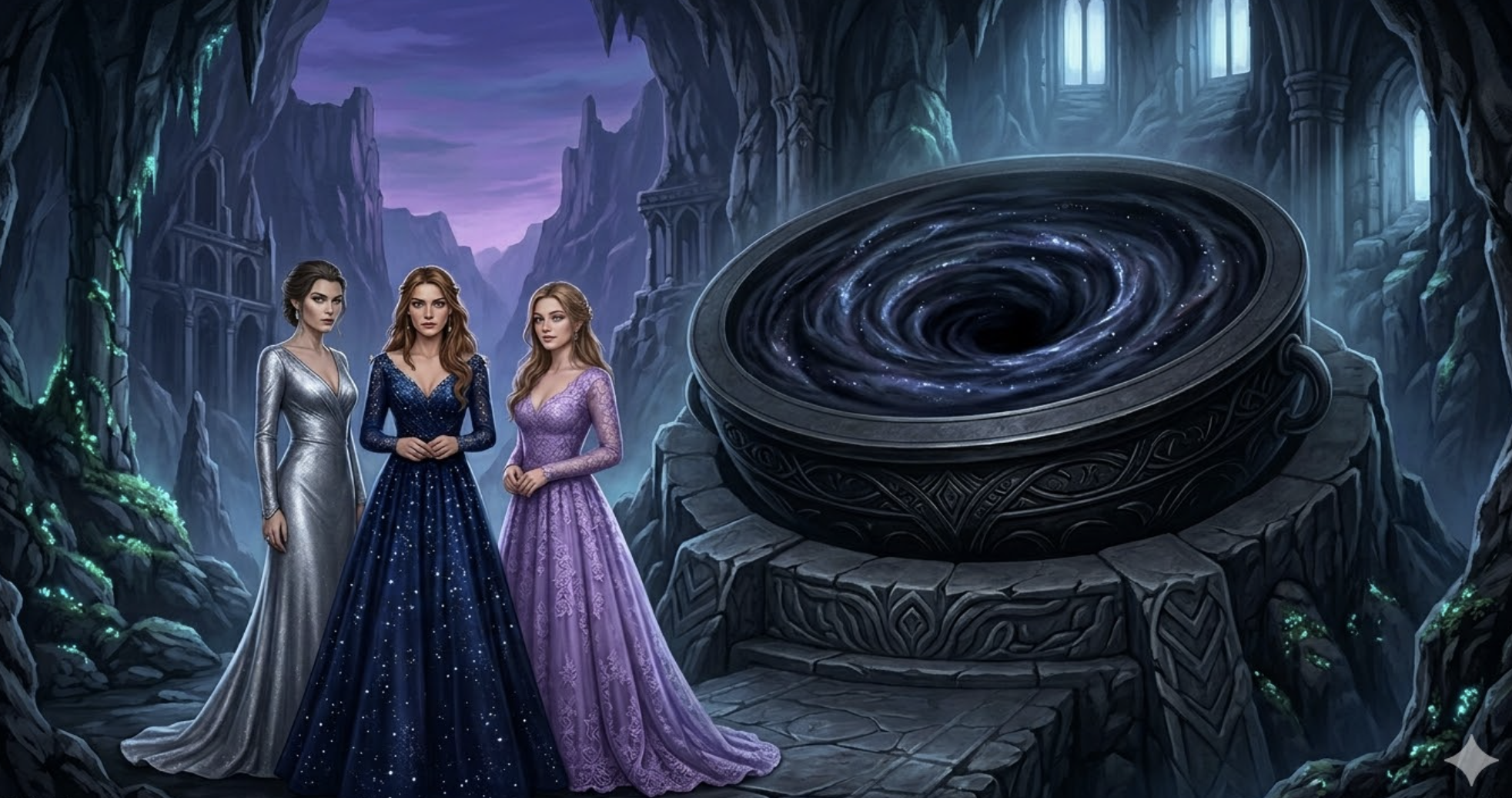
The Archeron sisters are inextricably, violently bound to the Cauldron’s ancient magic. Feyre repaired its shattered remains, Elain was gifted with profound Seer abilities upon her submergence, and Nesta viciously stole a portion of its raw power. Though Nesta relinquished the bulk of her stolen death-magic to save Feyre’s life during childbirth, she explicitly retained a fraction of that primordial energy. The Cauldron is a highly sentient, vindictive, and observant cosmic entity; it does not forgive thefts, nor does it tolerate manipulations of its grand design. As the overarching cosmic force of the universe, it will inevitably demand a final, bloody accounting from the women who defied it. The sisters’ Made existence fundamentally disrupts the natural order of Prythian. The Cauldron will launch a psychological and physical assault to reclaim the magic currently sustaining their immortal lives, forcing them into a horrific confrontation. This inevitable clash will test the absolute limits of their fractured sisterhood, requiring a unified front to vanquish the very entity that birthed their immortality.
In A Court of Silver Flames, Nesta returns her stolen magic to the Cauldron to save Feyre and her baby, but admits she kept a small remnant of the power. Earlier, the Cauldron actively hunted Nesta during the war with Hybern, proving its sentient, vengeful nature by kidnapping Elain instead to punish Nesta. Elain specifically offered to use her Seer powers to locate the Dread Trove, but Nesta ultimately found the items through scrying.
Theory 4: Rhysand will be placed in an impossible position that costs him something irreversible
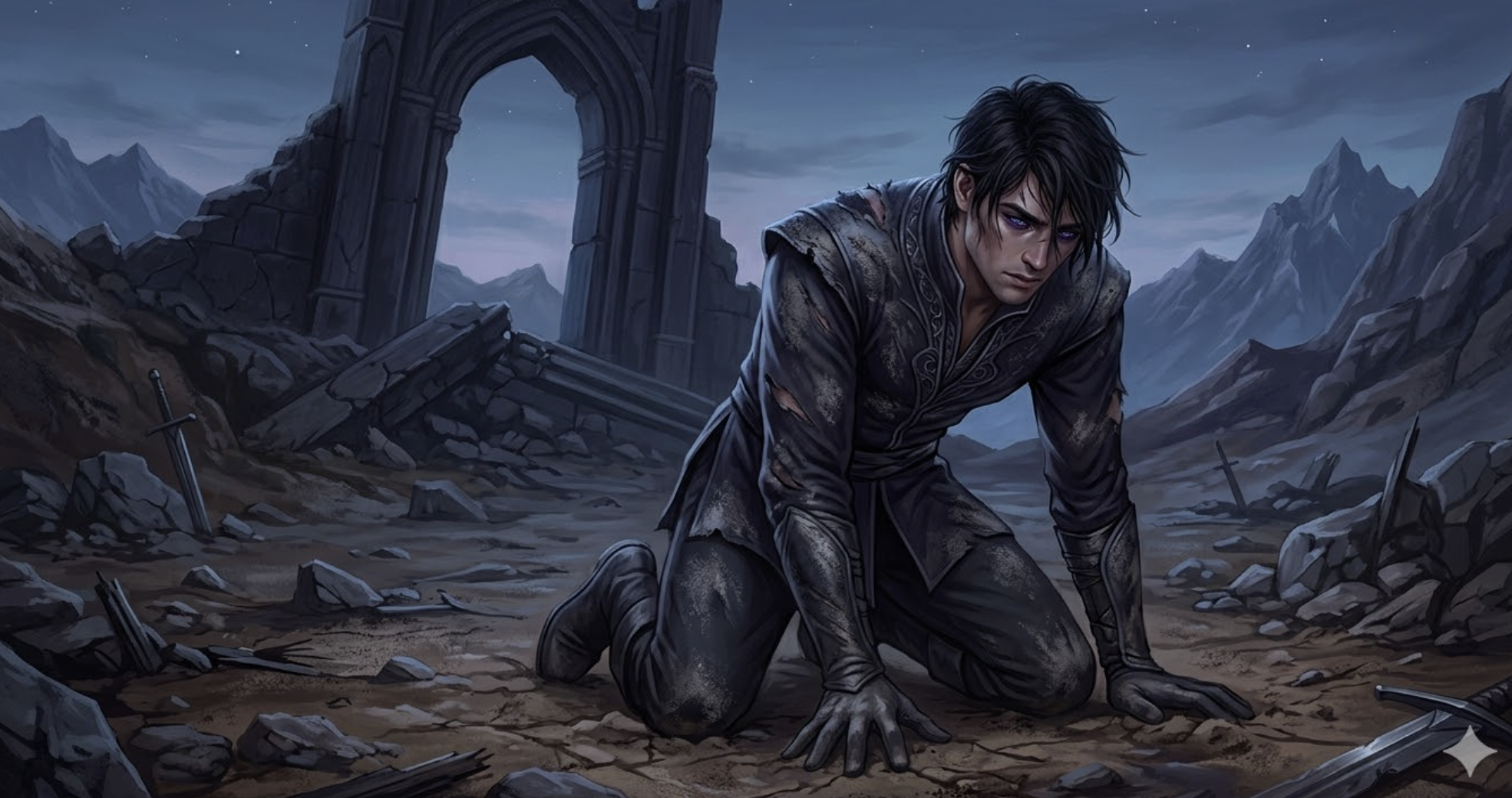
Rhysand’s entire narrative identity is fundamentally built upon a foundation of relentless self-sacrifice. From his fifty agonizing years of subjugation under Amarantha to his literal death while repairing the Cauldron, he consistently martyrs himself for his court, his people, and his mate. The reckless death-bargain he struck with Feyre—ensuring they will simultaneously die if one perishes—is a ticking time bomb that Maas deliberately planted to escalate the endgame stakes. With the impending, world-ending threat of Koschei, Rhysand will face a harrowing scenario where his usual strategy of shouldering the burden alone catastrophically fails. He will be backed into a corner and forced to make an impossible choice: sacrifice his beloved city of Velaris, doom his mate and child, or irrevocably shatter his own soul. This time, the other High Lords will not be there to miraculously resurrect him. The cost of his salvation will be permanent, stripping him of either his unfathomable, world-shaking power or his rightful role as the High Lord of the Night Court.
Rhysand and Feyre secretly made a bargain that if one of them dies, the other dies with them, a pact Amren calls the act of “romantic, idealistic fools.” Rhysand previously sacrificed his life to reforge the Cauldron in A Court of Wings and Ruin, requiring all seven High Lords to resurrect him.
Theory 5: The separation between the human and fae worlds will be permanently altered
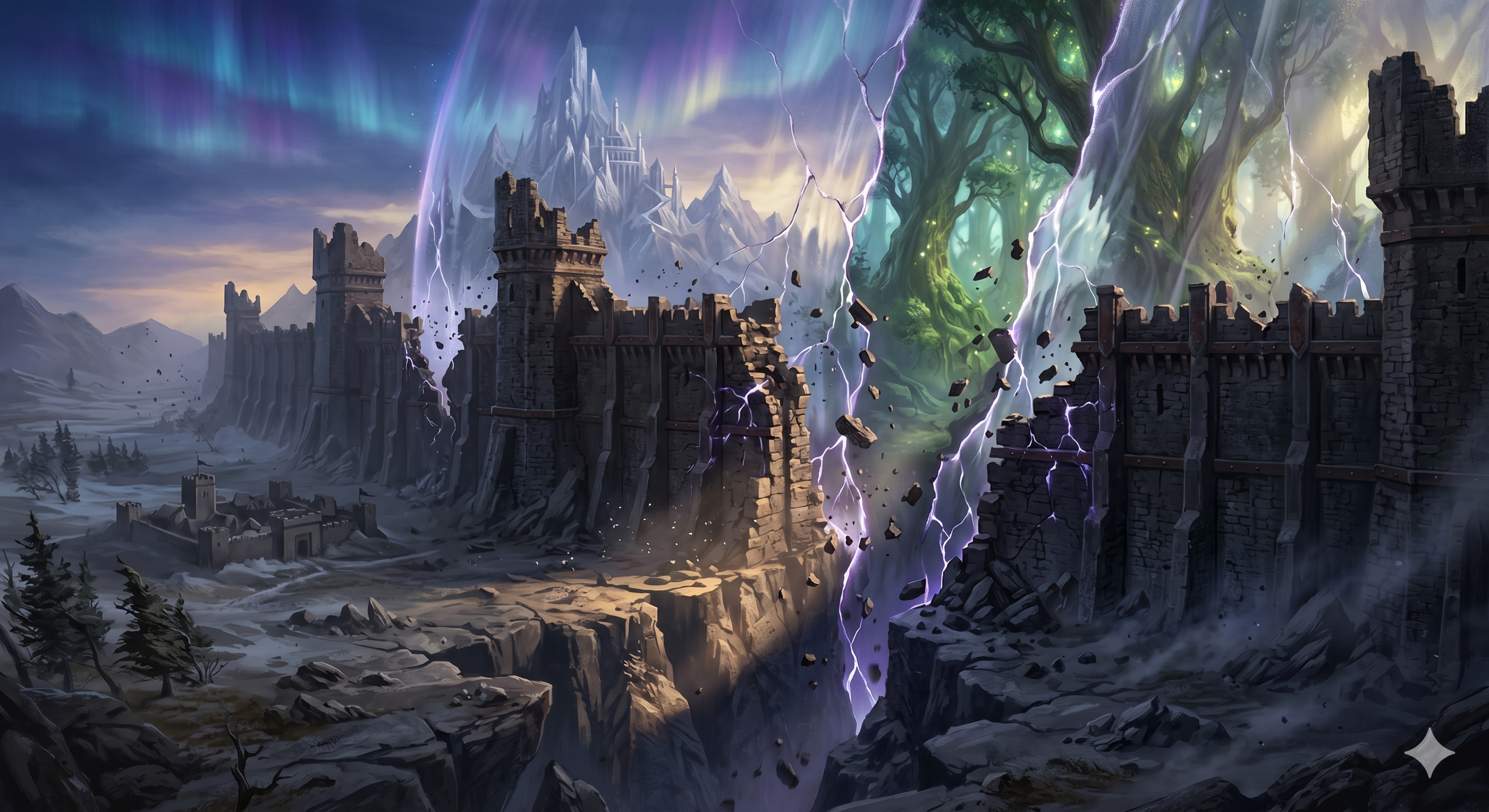
The destruction of the magical wall at the climax of the war against Hybern erased the physical boundary between humans and fae, yet the systemic, deeply ingrained separation between the realms remains entirely intact. The narrative has relentlessly marched toward a forced, brutal integration of these two hostile worlds. The human queens are actively mobilizing their massive armies, Vassa is cursed by the ancient death-lord Koschei, and Jurian is playing a highly volatile double agent across the continent. Book 6 will completely shatter this fragile, tense armistice, forcing an unprecedented and bloody collision of mortal and immortal societies. This is not merely a diplomatic or political shift; it will be a violent reckoning that demands a total restructuring of their reality. The Night Court will be compelled to openly govern and fiercely protect human territories, completely dismantling the ancient, prejudiced hierarchies of the High Fae. This conflict will ultimately fulfill Rhysand’s long-held vision of a truly unified, boundary-less world, but the transition will be forged in staggering casualties.
The King of Hybern successfully shatters the wall separating the mortal and immortal realms using the Cauldron’s power. Following the war, the threat of Koschei and the mortal queen Briallyn actively looms, with Koschei seeking to free himself from his lake confinement on the continent.

Theory 6: A member of the Inner Circle does not survive Book 6
Sarah J. Maas has repeatedly brought her core cast to the absolute brink of death, only to issue miraculous, last-minute reprieves. Amren willingly sacrificed her otherworldly form and was resurrected, Rhysand exhausted his life force and was brought back by the High Lords, and Cassian survived devastating, near-fatal battlefield wounds multiple times. This established pattern of miraculous survival has finally reached its narrative limit. For the stakes of the final, apocalyptic conflict with Koschei to carry genuine emotional weight, the plot explicitly demands a permanent, devastating casualty. The narrative and emotional arcs for several prominent Inner Circle members have beautifully plateaued into stability, making them prime, tragic targets for a heroic conclusion. The brutal death of a beloved core member will provide the ultimate emotional catalyst for the surviving characters, permanently altering the dynamic of the Court of Dreams. It will prove to the readers that the cost of eternal peace in Prythian requires a permanent, irrevocable sacrifice that magic cannot undo.
Amren sacrificed her otherworldly form by stepping into the Cauldron during the war, only to be pulled out and resurrected as a High Fae. Cassian’s emotional and narrative arc has found profound resolution through his mating bond with Nesta, making claims of his arc being “complete” a highly debated but reasonable literary read. There are persistent rumors that Maas plans to split Book 6 into two parts to encompass this devastation.
We have journeyed through the darkness and the starlight alongside these characters, but Prythian is demanding its ultimate toll. The coming war with Koschei will shatter the foundations of the Night Court, forcing our heroes to confront the devastating reality that not everyone makes it to the end of the story. When Book 6 finally releases, we will undoubtedly be left picking up the pieces of a beautifully broken world.