When the Moon Hatched by Sarah A. Parker
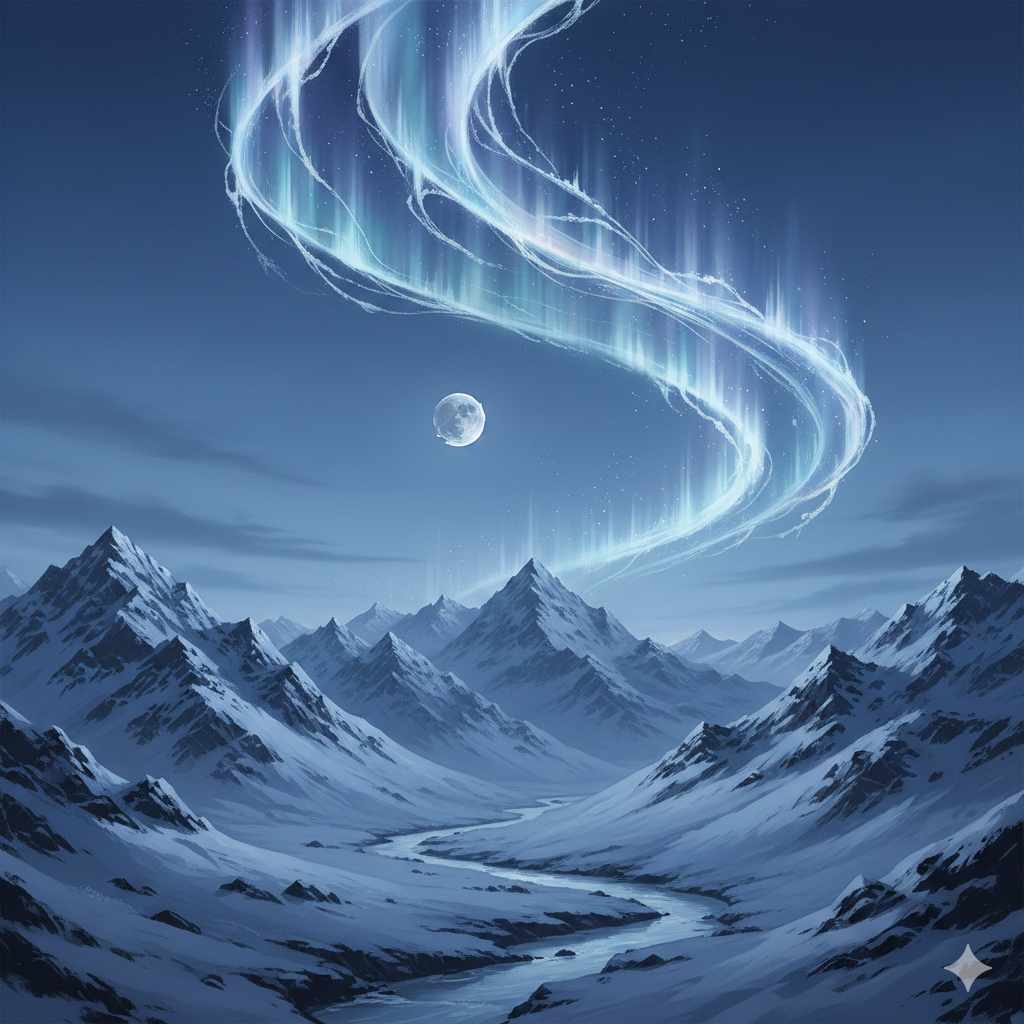
Hae’s Perch.
Content Rating
🔴 CSR-4 (Explicit & Dark Themes – Adult Readers Only)
Content Warnings:
🩸 Violence/Torture
⚰ Death & Grief
💋 Explicit Sex Scenes
🧠 Mental Health (Trauma/Dissociation)
🚨 Sexual Assault (References/Threats)
This rating is assigned based on the “Content Rating Scale” criteria for heavy violence and deeply disturbing themes. The book contains graphic scenes of torture, such as when the protagonist is whipped until her skin is flayed, and brutal executions, including decapitation and dismemberment. Additionally, there are explicit sexual encounters and heavy themes of child abuse and exploitation within the “Undercity.”
📖 Introduction & Why This Book Matters
When the Moon Hatched is a visceral exploration of pain, the architecture of memory, and the enduring power of love that refuses to die—even after death. Sarah A. Parker crafts a world where the sky is literally a graveyard, filled with the calcified bodies of dragons that have died and become moons. This atmospheric setting serves as the perfect backdrop for a story that feels ancient and raw.
It challenges the traditional “fated mates” trope by burying it under layers of trauma and amnesia, forcing the characters to earn every inch of their connection through blood and sacrifice. It is a sensory experience, where the scent of “molten stone” and the sound of elemental songs create a world that feels both magical and perilously sharp.
✍️ Plot Summary
In the frozen, shadow-drenched kingdom of The Fade, Raeve is an assassin for the rebellion group Fiur du Ath, dedicated to dismantling a corrupt crown that steals children for its army. She exists in a fortress of her own making, numbing her emotions to survive the loss of her only friend, Essi. But when a routine assassination goes awry, Raeve is captured by the sadistic bounty hunter Rekk Zharos, imprisoned, and sentenced to a brutal death in the coliseum.
Just as her fate seems sealed by dragon fire, she is rescued by Kaan Vaegor, the formidable King of The Burn. Kaan whisks her away to his sun-scorched capital of Dhomm, claiming to see a woman named Elluin beneath Raeve’s scarred exterior—a lover he believes died over a century ago. As Raeve navigates a foreign court filled with political intrigue and forgotten magic, she must grapple with fragmented memories that threaten to shatter her reality. With a war brewing between kingdoms and the sky itself weeping for lost dragons, Raeve must decide if she can trust the King who claims to hold her heart, or if she will let her vengeance burn the world to ash.
💡 Key Takeaways & Insights
Grief is a Physical Landscape Parker treats grief not just as an emotion, but as a physical space within the mind. Raeve visualizes her trauma as an “icy internal lake” where she submerges painful memories and emotions, weighing them down with stones to keep them from surfacing. This metaphor powerfully illustrates how trauma survivors often compartmentalize their pain to function, creating a stark separation between their internal reality and external actions.
The Fluidity of Identity The novel deeply explores the concept of the self. Raeve is a hardened killer, while Elluin (her past self revealed through diary entries) was a sheltered, longing princess. The narrative questions whether we are defined by our memories or our innate nature. Even without her memories, Raeve’s body remembers Kaan. It suggests that the core of who we are survives even death.
Nature as a Mirror for Human Emotion The elemental system in the book binds the characters to the world. The characters don’t just feel; the world feels with them. When Rayne (Water) mourns, it storms; when Clode (Air) is manic, the wind howls. This connection emphasizes that humans are not separate from the world but are intrinsic parts of its chaotic melody. The dragons, too, are extensions of this emotional spectrum—dying when they mourn their riders, and turning to stone in the sky as eternal monuments to their grief.
Vengeance is a Hollow Sustenance Raeve is driven by a “vengeful serpent” in her chest, believing that killing those who wronged her (like Rekk Zharos) will bring peace. However, the narrative repeatedly shows that violence only begets more fracturing of the self. Kaan notes that revenge is the “loneliest deity,” highlighting that while anger can keep you alive, it cannot make you whole.
🤯 The Most Interesting or Unexpected Part (**SPOILERS**)
While many books hinge on a single twist, When the Moon Hatched delivers a cascade of revelations that keep you up all night reading:
The Heartbreak of “Hae’s Perch” Throughout the novel, Raeve feels an inexplicable pull toward a small, wonky moon in the sky she calls “Hae’s Perch,” finding comfort in its presence. It is revealed that this moon is actually Allume, the dragon bonded to her brother, Haedeon. In a devastating flashback, we learn that when Haedeon died from poison, Allume didn’t just fly into the sky to die; she scooped up his lifeless body, curled around him, and solidified into a moon so he wouldn’t be alone. The “wonky” shape Raeve loves is actually the dragon’s “gammy wing” protecting her brother for eternity.
The Tomb of Slatra Following Elluin’s death, her dragon Slatra carried her body into the heavens, curled around her, and solidified into a silver moon to mourn her rider. Twenty-three phases ago, Slatra fell from the sky and shattered, creating a massive crater. Kaan doesn’t think this was an accident; he believes that Slatra spent over a hundred phases cradling Elluin inside that stone shell, “breathing life back into” her, and that when the moon finally fell and broke apart, Raeve “hatched” from the tombstone. Unaware of Elluin’s rebirth but refusing to let her dragon remain lost, Kaan spent the last twenty-three phases hunting down Slatra's scattered shards and painstakingly piecing them back together in a hidden cavern. This secret tomb serves as a monument to his grief, proving that his “madness” was actually a decades-long act of devotion to the woman he loved.
The Secret Daughter & The Aether Stone The ultimate twist is the connection between past and present. Raeve is Elluin, but she has no memory of the daughter she sacrificed everything to save: Princess Kyzari. Elluin didn’t leave Kaan because she stopped loving him; she broke his heart to save his life. King Ostern (Kaan’s father) discovered she was pregnant with Kaan’s baby and blackmailed her into marrying Kaan’s cruel brother, Tyroth, to hide the child’s true parentage. Now, that secret daughter, Kyzari, is trapped wearing the Aether Stone—a cursed diadem that drains the life of the wearer and amplifies the screaming voices of the Creators. The story culminates with Veya (Kaan’s sister) finding Elluin’s old journal hidden in a bedpost, finally uncovering the truth that Kyzari is Kaan’s daughter, setting the stage for a desperate rescue mission.
🏛️ How This Book Applies to Real Life
While set in a high-fantasy world, When the Moon Hatched tackles the very real experience of Dissociation and PTSD. Raeve’s creation of “The Other”—a feral, unfeeling persona that takes over when the pain is too great—is a fantastical representation of how the human mind fractures to survive unbearable trauma. It also touches on government corruption, showing how regimes (like the Fade King’s) use propaganda and the exploitation of the youth to maintain power.
Who should read When the Moon Hatched?
Readers who enjoy intricate, puzzle-box plots where the past and present slowly merge.
Fans of high-stakes romance where the conflict is internal (memory/trauma) as well as external, think Fourth Wing by Rebecca Yarros, or The Serpent and the Wings of Night by Carissa Broadbent
Those who appreciate lyrical, almost poetic prose that focuses on sensory details.
📚 Final Rating: 4.5 / 5 Stars
The beginning of the book is a touch slow, and the specific elemental magic terms (like "Clode" and "Rayne" and “Bulder” and “Ignos”) can induce a fair amount of eye-rolling at first. Raeve’s "too tough for sh*t" attitude is initially grating, particularly when she lashes out at those trying to help her, but the narrative takes a sharp turn with the heartbreaking loss of Essie—a character who felt like both a daughter and a friend. Once Raeve and Kaan finally cross paths, the pacing and interest level improve drastically. The inclusion of Elluin’s diary entries was a highlight, serving the vital purpose of revealing past context and backstory without bogging down the present timeline. While I was genuinely irritated to realize late in the game that this is an incomplete series, I was relieved to find that the next installment, The Ballad of Falling Dragons, is scheduled for release on April 28, 2026. I rated this book so highly because of the massive plot twists I didn't see coming, especially the incredible secret-daughter reveal.
🎯 Should you read it? Probably, if you can tolerate a few hundred pages of cringey set-up. If you can overlook the cringey magic system, then the rest of this book is a sensational romantasy you’re likely to love.
🔥 Final Thought When the Moon Hatched proves that the only thing more dangerous than a dragon breathing fire is a woman who has forgotten she is the flame.
