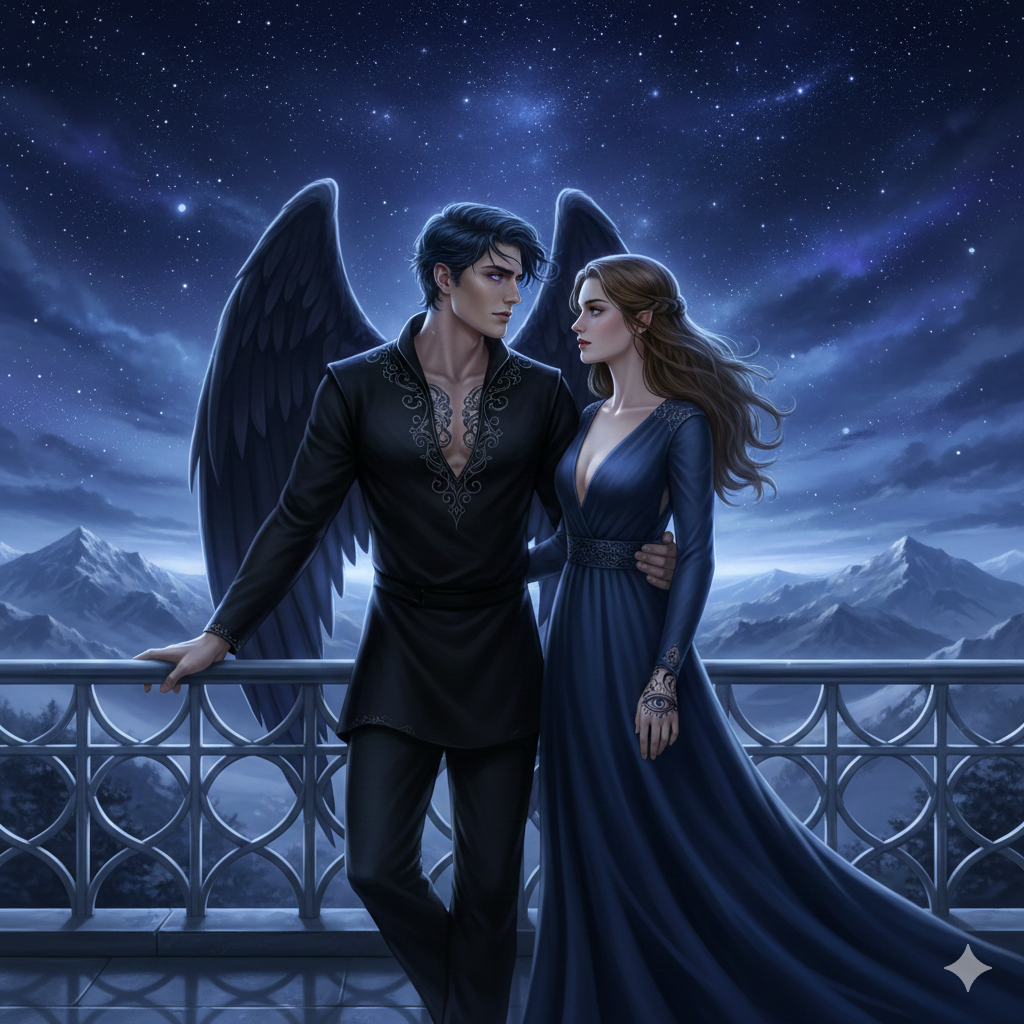
BOOK REVIEW OF
A Court of Mist and Fury
ACOTAR Series (Book 2)
Sarah J. Maas
Reviewed by Ella Law (with Gemini & NotebookLM)
Published February 3, 2026
Table of Contents
Content Rating
CSR Rating: 🔴 CSR-4 (Explicit & Dark Themes – Adult Readers Only)
Content Warnings:🩸 Violence/Torture, 🚨 Sexual Assault (References/Backstory), 🧠 Mental Health (PTSD, Depression), 👩👩👧👦 Domestic Abuse (Confinement, Controlling Behavior), 💋 Explicit Sex Scenes
This rating is assigned based on graphic depictions of violence, such as the torture of Azriel in his youth and the gruesome death of the Attor. The book contains explicit sexual content, specifically in Chapter 55 and the scene at the inn. Furthermore, the protagonist deals with severe PTSD, including nightly vomiting and dissociation, and is physically locked inside a house by her partner, triggering intense panic.
📖 Introduction & Why This Book Matters
A Court of Mist and Fury is a visceral exploration of trauma, recovery, and the reclaiming of self. While the story is set against a backdrop of looming war and magical politics, the true heart of the narrative beats within Feyre’s internal struggle. It moves beyond the fairy tale ending of the previous installment to ask what happens after the enemy is defeated, when the survivor is left broken and left grappling with the price of their victory. This book matters because it dismantles the romanticization of protective jealousy, contrasting toxic possession with a love that prioritizes freedom and choice.
✍️ Plot Summary
Feyre has survived the horrors Under the Mountain, but she has returned to the Spring Court a fractured shell of herself. Haunted by the lives she took to save Tamlin and his people, she is plagued by nightmares and illness. Despite her physical safety, she is drowning. Driven by the trauma of witnessing Feyre’s death in the first book, Tamlin becomes controlling, viewing his restrictions as a necessary shield to ensure her survival. Yet this desperate protection manifests as a cage that silences her voice and denies her autonomy.
Her reprieve comes from an unlikely source: Rhysand, the High Lord of the Night Court, who shows up just in time to save Feyre from wedding Tamlin. Rhysand calls in their bargain, which requires her to spend one week a month with him in exchange for his help in surviving Amarantha’s trials. What begins as a dreaded obligation transforms into a journey of healing as Feyre is introduced to the Night Court, which turns out not be a landscape of nightmares, but rather a land of dreams containing a beautiful secret city named Velaris.
As the King of Hybern threatens to shatter the wall separating the faerie and human realms using the mysterious powers of an ancient Cauldron, Feyre must work with Rhysand’s inner circle—Mor, Amren, Cassian, and Azriel—to hunt down the Book of Breathings to stop him. Along the way, she masters her new powers gifted by the seven High Lords and decides whether she will remain a pawn in someone else’s game or become the High Lady of her own destiny.
💡 Key Takeaways & Insights
Trauma has to be felt to be resolved Feyre’s journey emphasizes that healing isn’t about forgetting the past but learning to live with it. Rhysand tells her, “You can either let it wreck you… or you can learn to live with it”. The narrative validates her pain rather than rushing her recovery.
Love is not possession The stark contrast between Tamlin and Rhysand defines the book’s romantic philosophy. Tamlin locks Feyre up “for her own good”, whereas Rhysand, even when terrified for her safety, refuses to cage her, stating, “I will never—never lock you up, force you to stay behind”. True love empowers the partner to make their own choices, even dangerous ones.
There is strength in the broken places The “Inner Circle” of the Night Court is comprised of individuals who have been discarded, tortured, or marginalized—“bastards” and “monsters”. Yet, they form a family unit that is stronger because of their survival and loyalty, proving that one’s history does not dictate their future worth.
True heroes are willing to become villains in the eyes of history for a just cuase Rhysand cultivates a reputation of cruelty to protect his people, playing the villain to ward off potential enemies and keep Velaris safe. The book constantly challenges the reader to look beneath the surface and assess a person by the impact of their actions, rather than by their words alone.
🤯 The Most Interesting or Unexpected Part
The most gripping sequence occurs when Feyre is sent to the Weaver’s cottage to retrieve a ring. It serves as a pivotal test not just of her powers, but of her will to live. The Weaver, a blind but lethal ancient entity who hums while spinning the hair of her victims into thread, is a horrifying antagonist. When Feyre is trapped and realizes she is climbing a chimney lined with grease and hair to escape, she has a breakthrough moment. She stops panic from consuming her by acknowledging, “I was not a pet, not a doll, not an animal. I was a survivor, and I was strong”. This scene marks the transition from Feyre the victim to Feyre the warrior, culminating in her dropping a brick on the Weaver’s face to escape.
🏛️ How This Book Applies to Real Life
Relationship Dynamics: It provides a stark lesson on recognized “red flags” in relationships, specifically controlling behavior disguised as protection. It encourages readers to value partners who respect their autonomy.
Mental Health: The depiction of Feyre’s depression and PTSD is raw and realistic. It illustrates that recovery often requires a change in environment and a support system that listens rather than dictates.
Who Should Read This?
Readers who enjoy fantasy with high stakes and complex political maneuvering.
Anyone who appreciates character-driven stories about overcoming trauma.
Fans of the Crowns of Nyaxia series by Carissa Broadbent.
📚 Final Rating 4.2 / 5
A Court of Mist and Fury surpasses A Court of Thorns and Roses by expanding the world-building significantly and offering a nuanced, heartbreakingly real portrayal of healing from abuse. The shift in romantic dynamics is handled with such care and logical progression that the emotional payoff feels entirely earned.
🎯 Should You Read It? Yes. If you can handle the mature themes and graphic content, this is a masterclass in character development. It deconstructs the “happily ever after” of the first book to build something far more resilient and authentic in its place.
🔥 Final Thought There is perhaps no better summary of the hope that pulses through this novel than the toast shared between the High Lord and his lady, a mantra that echoes the awe of finding light in the darkest of places: “To the stars who listen—and the dreams that are answered”.